Solutions

    Collectible Assets

    A collection's history belongs with its objects.

    Book a demo
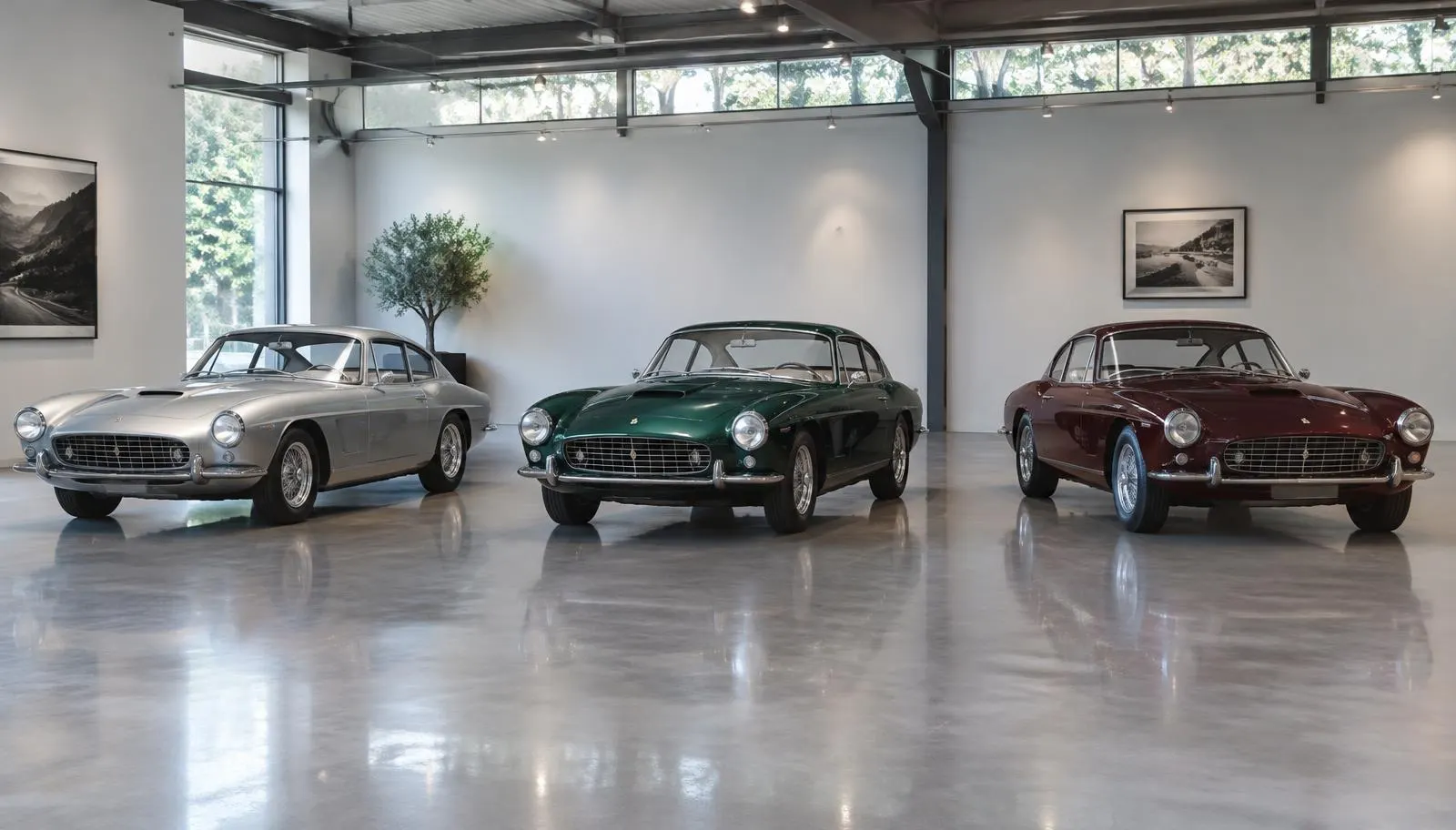
    Three classic sports cars displayed in a private collection gallery

    Querya in numbers

    0+

    Documents organized

    0+

    Transactions & data rooms

    Use cases

    From a paper trail to a documented collection.

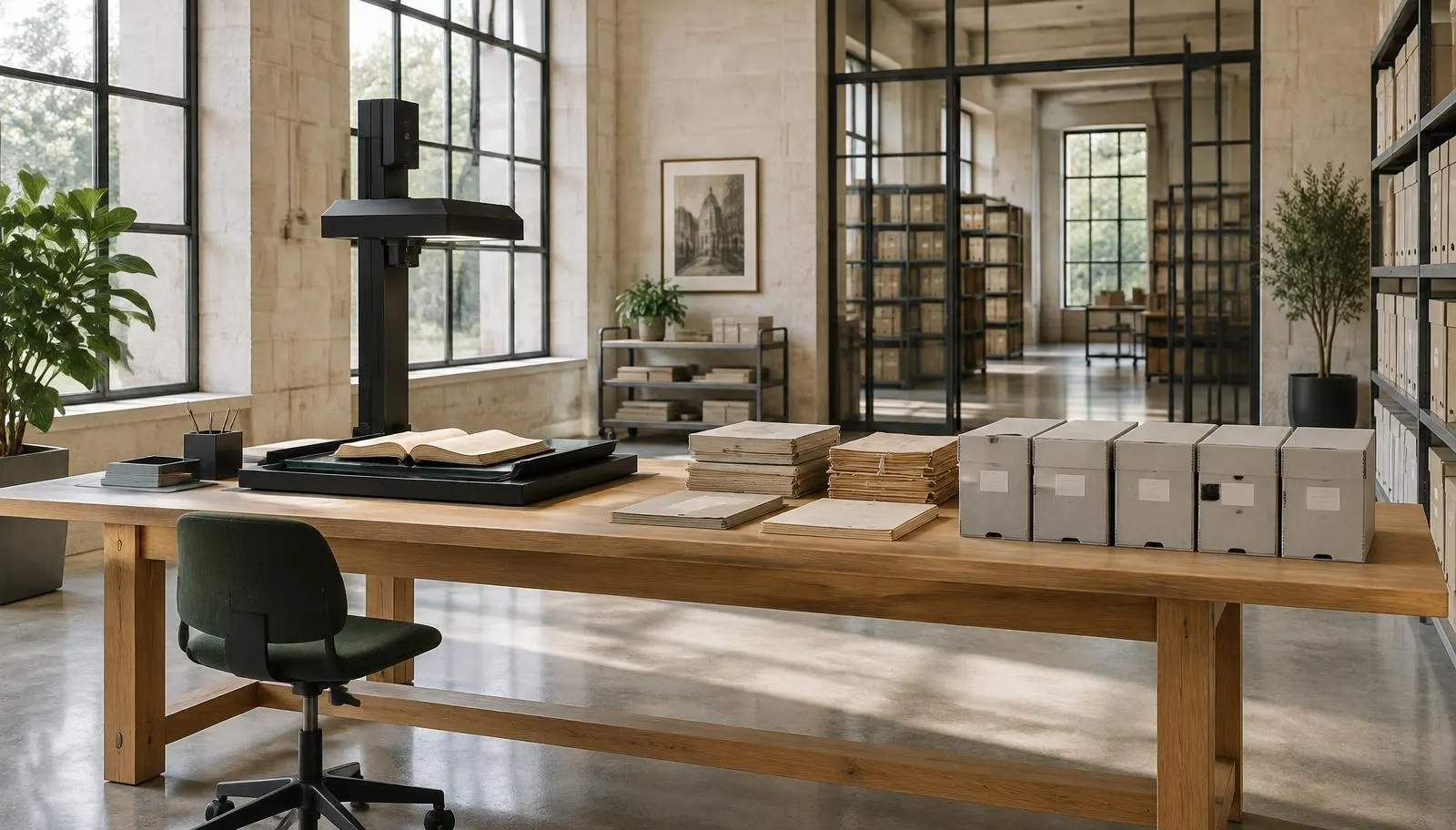
    For a classic car, the history may sit in registration papers, workshop invoices and restoration photographs. For art, watches or other collectibles, it may be recorded in provenance files, purchase documents and specialist reports. Querya helps collectors, family offices and advisors organize that evidence around each object and use it when maintaining, buying or selling a collection.

    01

    Build a record around each collectible

    Bring invoices, ownership papers, reports and images into a consistent structure, with one permanent ID per object and per document. For records still on paper, use the Companion App or the Digitization Lab. Querya suggests the object, document type, date, file name and target folder; you review a preview first, uncertain assignments go to a review list and every change is logged.

    02

    Explore the history recorded in the files

    Ask the Agent about previous owners, service dates, restoration work or the statements in a specialist report. Originals stay unchanged, while OCR, transcripts and translations are kept as linked versions. External findings remain notes until their attribution and claim have been checked. Querya supports documentary review; it does not replace specialist authentication, physical inspection or valuation.

    03

    Prepare the evidence for a purchase or sale

    Give a prospective buyer, insurer or specialist controlled access to the records they need through the Deal Room. Access rights apply independently of the folder structure, so you can share a vehicle dossier without opening the entire collection.

    One file per object. One ID per document.

    Each car receives a permanent ID and its own file, organized by manufacturer, model and individual vehicle. Inside, standard sections cover identity and factory data, provenance, registration, technical history, condition, restoration, maintenance, insurance and rights. Chassis numbers and historic registrations stay searchable, and shared sources such as manuals or interviews are stored once and linked to every vehicle they concern.

    • Factory records, identity numbers and delivery data
    • Provenance, ownership and registration records
    • Service records, restoration histories and photographs
    • Condition reports, insurance and specialist valuations
    • Race entries, correspondence and interviews

    Explore the suite of tools

    Querya Platform

    Organize documents and connect every finding to its source.

    I'm Querya. How can I help?

    Berlin · Riverside

    Querya Lite DE
    Fact sheet as PPTPower of attorney
    Red-flag reportOpen permit items
    Leases expiringEncumbrances

    Agent

    Ask questions across your documents and follow the evidence.

    Projects/Erlangen · Lindenhof

    Erlangen · Lindenhof

    Documents157UsersQ&A
    NameClearance
    • 1.1Introduction12LoI
    • 1.2Land4LoI
    • 1.2.1Cadastral MapLoI
    • 1.2.2EnvironmentNDA
    • 1.2.3Ground ConditionsSet clearance…
    • 1.3Ownership13LoI
    • 1.4Financing28NDA
    • 1.5Contracts & Agreements41NDA
    • 1.6Leasing30LoI

    Deal Room

    Bring buyers and advisors into a controlled document review.

    Matrix Analysis

    Structured comparison across documents. Coming soon.

    Explore more solutions